Custom Website Design vs. Template Web Development Services - What Should You Pick?
- By Admin
- 23 December 2025
With so many options available today, choosing the right approach to building your online presence has become more crucial than ever—especially with the increasing competition in seo digital marketing. While templates offer speed and convenience, Custom Website Design provides full creative control, brand uniqueness, and long-term scalability. In this guide, we break down how custom-built websites compare to template-based designs so you can confidently decide what fits your business goals. Whether you're creating something new or upgrading your existing digital identity, understanding your options will help you make a more informed investment.
Custom Website Design: What It Really Means
A Custom Website Design is a fully tailored website built from scratch to match your brand's goals, visuals, and functionality. Unlike templates, it offers unrestricted control over layout, performance, features, scalability, and user experience. This approach ensures your website stands out, improves engagement, and supports future business growth. It also works seamlessly when integrated with professional web development services for a more strategic build.

Top Pros of Investing in a Custom Website Design
Unique Branding
Your website is fully personalized, giving your business a strong and recognizable identity. Custom design allows unique layouts, brand elements, and storytelling that templates or an AI website builder cannot replicate.
Full Flexibility
You can add any feature or functionality your business needs. Whether it's custom integrations, advanced automation, or interactive modules, everything can be built to your specifications.
Better Performance
Clean, optimized coding ensures faster load speeds and a smooth user experience. Custom websites avoid unnecessary bulk that often slows down template-based sites.
Higher Scalability
A custom-built website allows you to scale easily as your business grows. New features, pages, and tools can be added without limitations.
Stronger Security
Custom development minimizes vulnerabilities found in popular templates, protecting your website against common threats and attacks.
A custom website gives brands more control over design, structure, and long-term growth. With personalized layouts, optimized performance, and advanced security, you can build a powerful digital identity that aligns with your goals and sets you apart in a competitive market.
Drawbacks of Choosing a Custom Website Design
- Higher Cost: Since custom sites are built from scratch, they require a larger investment, especially when advanced digital design elements, APIs, or complex features are involved.
- Longer Development Time: Planning, designing, and coding a custom website takes more time. It demands detailed wireframes, multiple design rounds, and a multi-stage development process.
- Requires Skilled Developers: You need experienced professionals who can manage UI/UX, backend development, security protocols, and performance optimization.
- Ongoing Maintenance: A custom website requires continuous support for updates, bug fixes, and scalability enhancements to keep everything running smoothly.
- Complex Initial Setup: Custom builds involve server configuration, technical setup, staging environments, and extensive testing—especially when aligned with SEO marketing strategies.
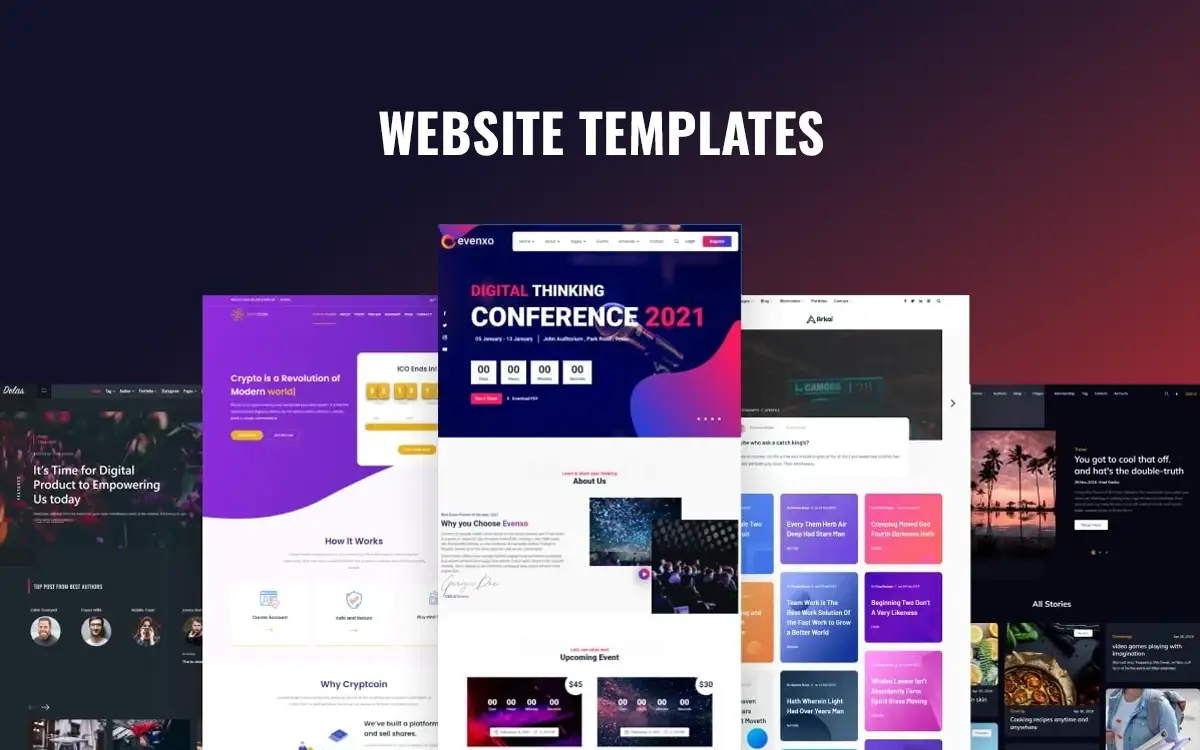
Website Template: What It Really Means
A website template is a pre-designed layout that lets users build websites quickly without custom coding. It comes with ready-made pages, blocks, and features that are editable through drag-and-drop tools. Templates are popular among startups, small businesses, and DIY creators who need a fast and affordable solution—especially when they don't have access to a web design and development agency or want an alternative to a full Custom Website Design.
Top Pros of Investing in Website Templates
-
 Low Cost - Templates are budget-friendly—often free or low-priced—which makes them ideal for startups and small businesses.
 -
Quick Setup - Since designs are pre-built, you can launch your website within hours instead of weeks. This is perfect for businesses needing an immediate online presence without relying on the best website developers for long development cycles.
-
Easy to Use - Drag-and-drop builders make templates accessible to anyone. No coding skills are required, and updates can be made quickly.
-
Large Variety - Thousands of templates exist across industries and styles. Many include built-in tools like contact forms, galleries, and eCommerce features, helping you launch faster.
Drawbacks of Choosing Website Templates
-
Limited Customization - You can only modify what the template allows, which restricts branding possibilities and advanced features.
-
Not Fully Scalable - Templates struggle when businesses grow. Adding custom functions, integrations, or complex tools can be difficult.
-
Similar to Other Sites - Many websites use the same templates, making your site look repetitive and less unique.
-
Possible Performance Issues - Templates often contain unnecessary code, slowing down your site. This can impact SEO, loading speed, and user experience.

How to Pick the Perfect Website Style for Your Business
Choosing between a custom website and a template depends on your goals, budget, and long-term vision. If you need complete design control, unique functionality, and a future-ready platform, working with a professional web developer is the ideal choice. For brands that depend heavily on conversions, UX, or mobile engagement, prioritizing Responsive Web Design Solutions ensures consistent performance across devices.
However, if you need something quick, simple, and budget-friendly, template-based websites are suitable for small businesses or early-stage brands. Evaluate your business size, growth plans, and digital goals to confidently choose the best web development approach.
Conclusion
It all comes down to your business needs, timeline, and budget. If brand identity, long-term scalability, performance, and a unique user experience are your top priorities, then a custom build is far superior. If your aim is to get online fast at the lowest possible investment, then a template-based website offers a convenient and cost-effective start. By knowing your growth strategy and technical requirements, you can confidently choose a web solution that will enhance your digital presence and improve your business outcomes.
FAQ
Which is better for small businesses—a custom website or a template?
Templates are ideal for small businesses that need a quick, low-budget website. Custom designs are better when you want unique branding, advanced features, and a long-term growth plan.
Does a Custom Website Design help with SEO?
Yes. Custom websites allow cleaner code, faster performance, and tailored SEO architecture, which improves rankings and long-term search visibility.
Are website templates mobile-friendly?
Most templates are responsive, but custom websites allow you to optimize mobile layouts more precisely for performance and conversions.
How long does it take to build a custom website?
On average, 4-12 weeks, depending on complexity, number of pages, design revisions, and integrations required.
Can website templates be customized later?
Only to a limited extent. Templates offer restricted scalability, which can create issues when your business needs advanced features or unique design updates.